Sound engineered as functional neural infrastructure. We design calibrated 135 BPM acoustic environments to induce relentless technical flow, provide sensory regulation for neurodivergent minds, and channel subterranean industrial catharsis.
Kharivox eliminates generic background playlists. Each composition is mathematically calibrated for specific neurological outcomes, programming vigilance, and sensory thresholds.
Engineered specifically for software developers, cryptographers, and systems engineers engaged in sustained multidimensional code synthesis.
Therapeutic rhythmic predictability and sub-bass grounding tailored for children, adolescents, and adults on the Autism Spectrum (ASD), ADHD, or navigating sensory overload.
High-intensity physical and emotional catharsis. Industrial docklands grit fused with Angolan Kuduro syncopation and overdriven bass architecture.
Every audio file passes through automated neural stem isolation, Butterworth spectral filters, microtonal re-pitching, and brickwall limiting.
Stylometric prompts locked to 135 BPM and Bb minor harmonic constraints dispatch to high-fidelity diffusion models.
Local RTX 4060 GPU performs deep neural stem separation, isolating kick, bass, formants, and synthetic transients.
24 dB/oct Butterworth highpass at 28 Hz purges inaudible rumble; 48 dB/oct ultrasonic lowpass prevents sensory overload.
Analog tape harmonics add warmth; brickwall limiter locks masters strictly to -14.0 LUFS (-1.0 dBFS True Peak ceiling).
Automated signal conditioning without human mastering latency, streaming distortion, or cloud lock-in.
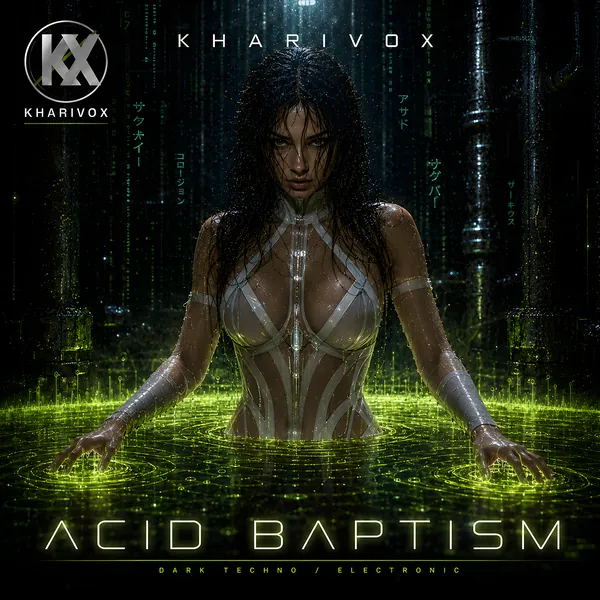
Acid Baptism · Isochronic 135 BPM beta/gamma entrainment for relentless coding flow.
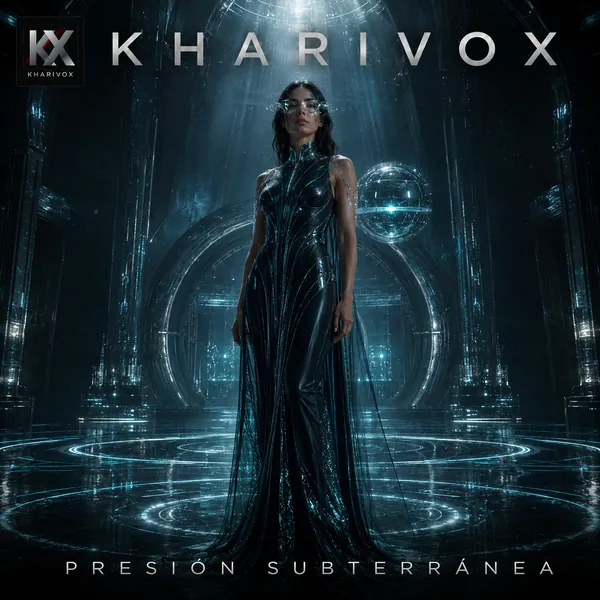
Presión Subterránea · Calibrated <16 kHz brickwall filtering with 35-75 Hz sub-bass grounding.
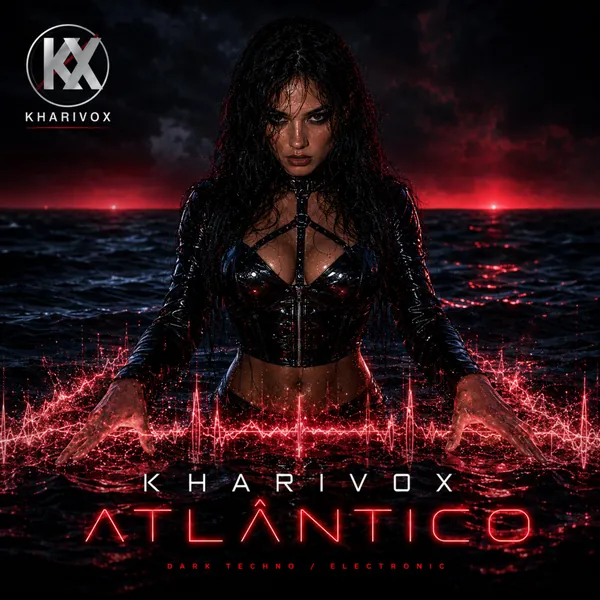
Atlántico · Industrial Lisbon docklands grit with Angolan Kuduro syncopation and tape saturation.
We are building an open repository of peer-reviewed acoustic research, testing how auditory entrainment and steep spectral shaping stabilize focus for ADHD and autistic individuals.
Access Research Papers & KAS-01 Standards →